|
In Bristol, as in many large Towns and Cities larger department stores are moving to newer shopping Malls, or simply closing down. Marks and Spencer in Broadmead closed down, and a charity organisation SPARKS Bristol took it over. sparksbristol.co.uk/about/ I made the following posters and asked about setting up a dental preventive advice unit there, but never heard back. Here are the posters. You may find them of use. 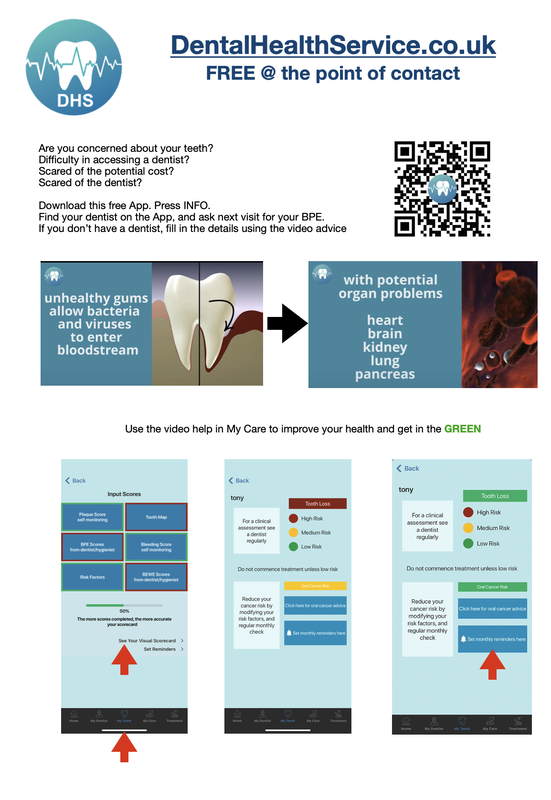 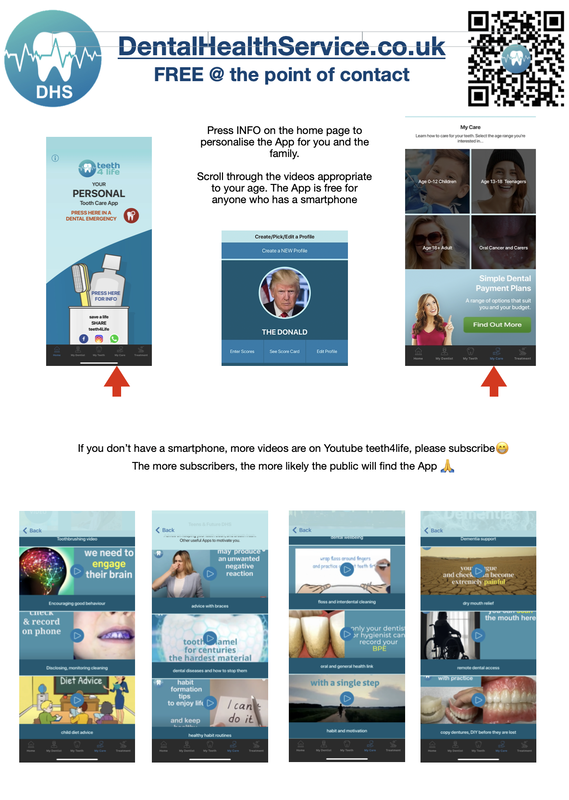 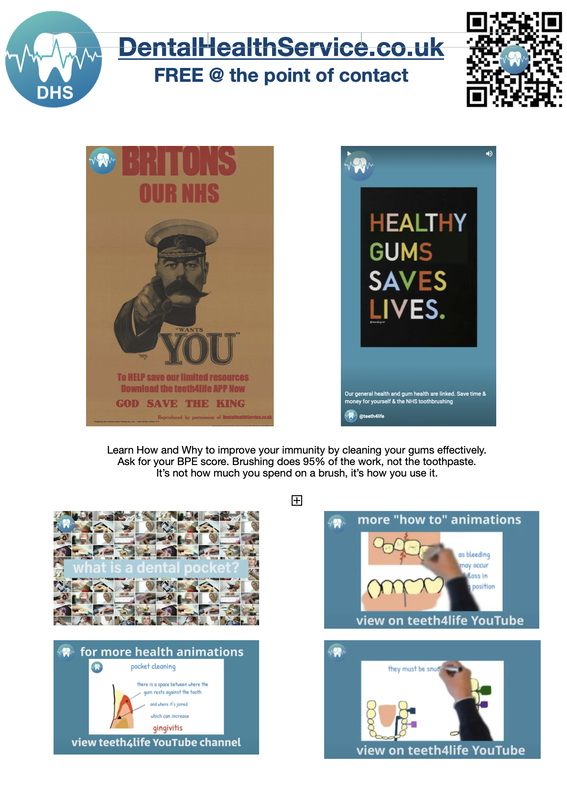 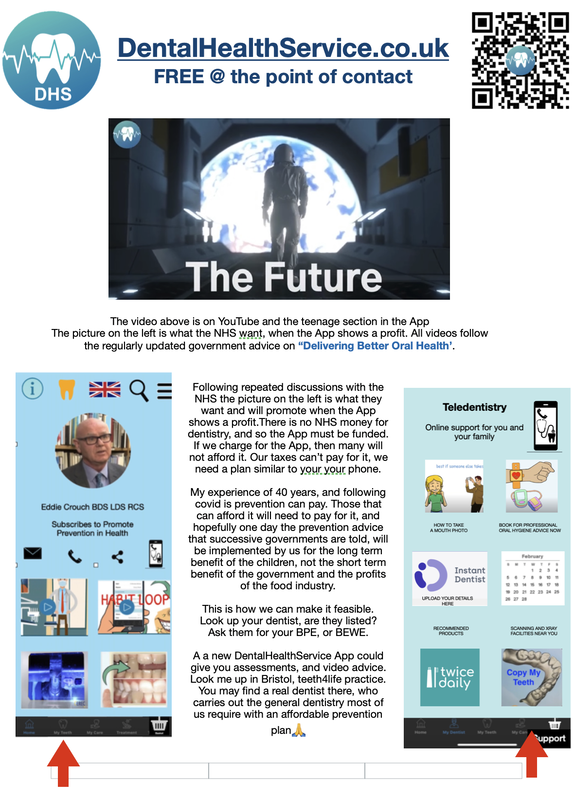 Collaboration between carers in care homes, dental nurses, dentists, and hygienists can significantly enhance health delivery by combining practical experience with academic knowledge. By working together, these professionals can create a holistic approach to care that benefits the overall well-being of individuals in care homes. Carers in care homes play a vital role in residents' daily support and care, including assisting with oral hygiene routines. Carers can receive specialized training and guidance on proper oral care techniques by collaborating closely with dental nurses, dentists, and hygienists. This knowledge exchange ensures that carers are equipped with the most up-to-date information and procedures to maintain residents' oral health effectively. Dental nurses, dentists, and hygienists bring their expertise and academic background to the collaboration. Through Teledentistry they can provide comprehensive assessments, and enhance care plans for residents in care homes. Regular updates from these carers allow for early identification and intervention of oral health issues, preventing potential complications and improving overall oral health outcomes. Academic knowledge and research in oral health can be shared with carers in care homes, enabling them to understand the importance of oral hygiene and its impact on overall health. Carers can apply this knowledge in their daily routines, promoting preventive measures and early intervention.
Through interdisciplinary collaboration, best practices can be shared, and protocols for oral care can be developed and implemented effectively. This collaboration can also involve educational workshops and training sessions to enhance the skills and knowledge of all professionals involved. Ultimately, the collaboration between carers in care homes, dental nurses, dentists, and hygienists combines practical experience with academic expertise to improve health delivery. By working together, they can ensure that residents in care homes receive comprehensive oral care, leading to better overall health outcomes and an improved quality of life. The above text was a collaboration between myself, ChatGPT, and Grammarly. The videos are with help from Miro and Kapoor installations in Porto. 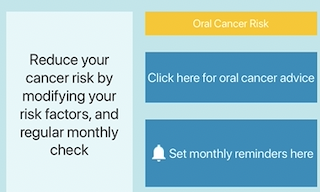 When you clean your teeth, do you check your mouth? Most dental adverts show elective cosmetic procedures. However, none of these will help your longevity, but may well help with your emotional wellbeing. With regard to longevity. You need to check yourself for Oral Cancer. It only takes a minute once a month and may save your life. It's the sixth most common cancer, is mainly preventable, the cure is disfiguring and has very poor outcomes, especially if diagnosed late. This one-minute animation demonstrates how to check yourself for oral cancer. Set monthly reminders to monitor yourself for all signs of disease, and help with early diagnosis. Early diagnosis improves outcomes for all cancers. 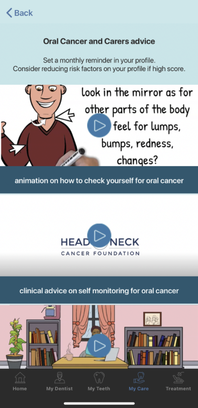 The videos in the care4teeth.org website are also on the FREE teeth4life App. Download it now and start enjoying better health.
Longer videos on the care4teeth websiteare within the App. Advice on cancer prevention, and a clinical example of an examination to examine yourself. The advantage of the App is that generally, most people take their phones into the bathroom. The section in the App, also has advice for carers. If you have someone you look after, this may be an initial resource. How can we improve health? Most big companies use advertising and subtle product placement. While on holiday I listened to a 13-hour audiobook on health, following a reference from a podcast on UPFs from the BBC. It was a lot of cycling, but how to condense the message into a minute? We need to strike a balance and engage with the food and drinks industry. It's not in their interest to keep losing customers prematurely. The 2018 advert just appeared tasteless.🤨 #health #advertising #food #prevention #obesity #healthawareness #upf#soda #publichealth #publichealthmatters #elvis #elvismovie |
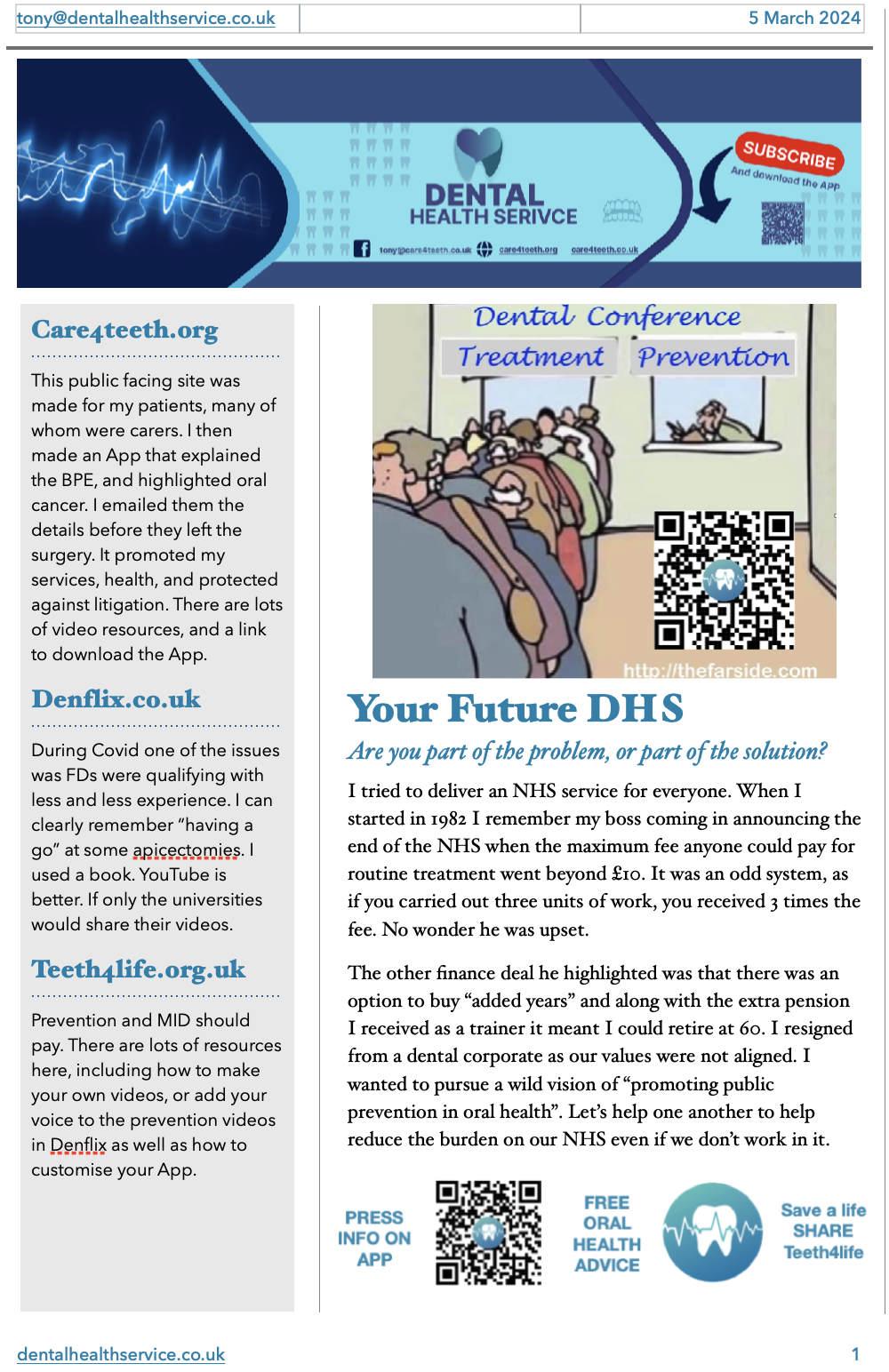
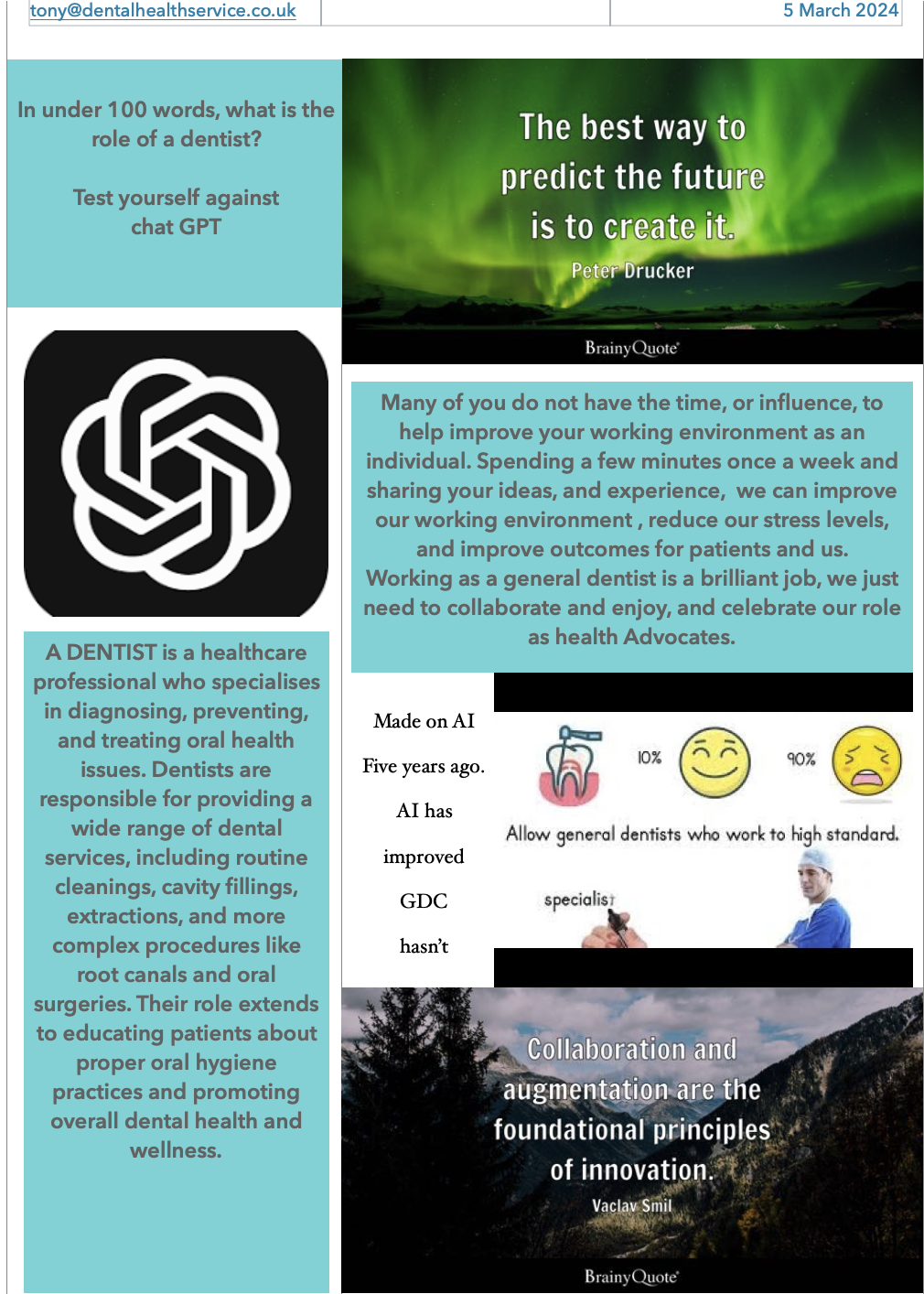
Tony SmithWe all have a role to play in improving and maintaining our general health. We all rely on the NHS when things go wrong, but we need to preserve these expensive drain on our taxation resources by improving and maintaining our individual health. These are some tips and ideas. How can we improve health? Most big companies use advertising and subtle product placement. While on holiday I listened to a 13-hour audiobook on health, following a reference from a podcast on UPFs from the BBC. It was a lot of cycling, but how to condense the message into a minute?
|
 RSS Feed
To monitor yourself download the teeth4life App from the App Store or Google Play
Visit the teeth4life YouTube channel for newer and older video content.
The information contained in this website is for general information purposes only. The information is provided by care4teeth limited and while we endeavour to keep the information up to date and correct, we make no representations or warranties of any kind, express or implied, about the completeness, accuracy, reliability, suitability or availability with respect to the website or the information, products, services, or related graphics contained on the site for any purpose. Any reliance you place on such information is therefore strictly at your own risk.
In no event will we be liable for any loss or damage including without limitation, indirect or consequential loss or damage, or any loss or damage whatsoever arising from loss of data or profits arising out of, or in connection with, the use of this website.
Through this website, you can link to other websites which are not under the control of tdentltd. We have no control over the nature, content and availability of those sites. The inclusion of any links does not necessarily imply a recommendation or endorse the views expressed within them.
Every effort is made to keep the website up and running smoothly. However, tdentltd takes no responsibility for, and will not be liable for, the site being temporarily unavailable due to technical issues beyond our control.
Visit the teeth4life YouTube channel for newer and older video content.
The information contained in this website is for general information purposes only. The information is provided by care4teeth limited and while we endeavour to keep the information up to date and correct, we make no representations or warranties of any kind, express or implied, about the completeness, accuracy, reliability, suitability or availability with respect to the website or the information, products, services, or related graphics contained on the site for any purpose. Any reliance you place on such information is therefore strictly at your own risk.
In no event will we be liable for any loss or damage including without limitation, indirect or consequential loss or damage, or any loss or damage whatsoever arising from loss of data or profits arising out of, or in connection with, the use of this website.
Through this website, you can link to other websites which are not under the control of tdentltd. We have no control over the nature, content and availability of those sites. The inclusion of any links does not necessarily imply a recommendation or endorse the views expressed within them.
Every effort is made to keep the website up and running smoothly. However, tdentltd takes no responsibility for, and will not be liable for, the site being temporarily unavailable due to technical issues beyond our control.